
Aman Hospital is a luxurious healthcare facility established in Doha, Qatar, and owned by Jaidah Holdings.
This new 100+ bed hospital will define the future of healthcare delivery in Qatar and the region by combining unparalleled professional expertise, cutting-edge technology, state-of-the-art equipment, service excellence, a relentless pursuit of medical innovation, and deluxe hospitality, all with a focus on patient-centered care.
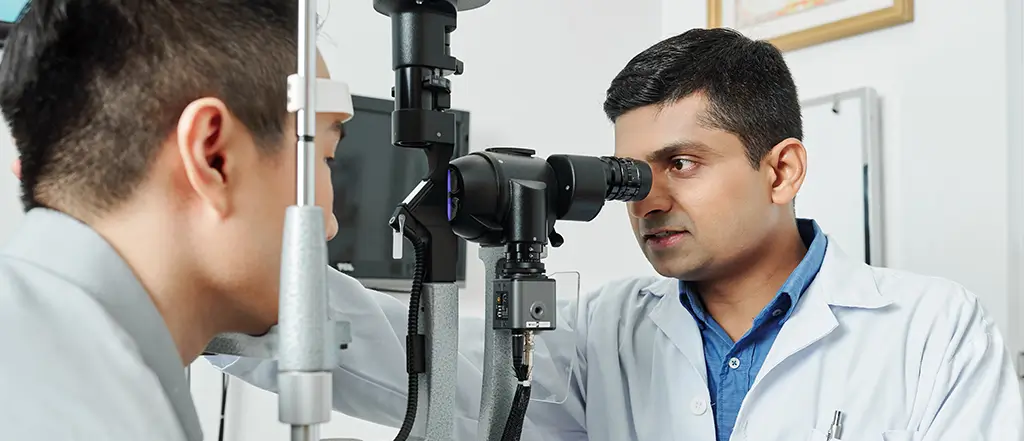
These seven checks separate good clinics from world-class centers.
Aman Hospital’s Ophthalmology Center of Excellence lists keratoconus, dry eye, refractive laser and cataract clinics — a sign of organized, comprehensive care. Choosing a hospital that centralizes subspecialty services improves coordination and outcomes.
Dr. Nada S. Jabbur is widely regarded as Aman Hospital’s top ophthalmology specialist, known for her advanced training, broad clinical expertise, and strong academic background. She brings more than 25 years of experience in managing complex eye diseases and performing refractive and cataract surgeries with high precision.
Her international training from the Wilmer Eye Institute – Johns Hopkins, Harvard Medical School, Georgetown University, and McGill University places her among the most highly qualified ophthalmologists practicing in the region.
With over 35 publications, multiple academic awards, and recognized contributions to ophthalmology education, Dr. Jabbur represents the highest standard of medical excellence within Aman Hospital’s Ophthalmology Center.
Contact: [email protected] | +974 4400 4400
When clinics can perform all of the above and have subspecialists on hand, they are better equipped for complex decision-making and personalized care.
A clear, itemized estimate helps patients compare hospitals and ensures there are no unexpected costs after surgery.
Aman Hospital offers a premium medical environment supported by consultant-led ophthalmology services and dedicated subspecialty clinics, including cataract, refractive surgery, dry eye, and keratoconus care. The hospital’s advanced technology, structured care pathways, and international clinical standards ensure patients receive precise diagnostics, safe surgical planning, and high-quality outcomes.
Choose a specialist with cornea fellowship training, significant keratoconus case experience, and access to treatments such as crosslinking (CXL), corneal ring segments, and transplant options.
Yes — when performed after a thorough pre-operative evaluation by a qualified ophthalmologist using modern laser technology and strict screening protocols.
Go directly to a hospital emergency department with ophthalmology coverage. If possible, inform the ophthalmology team beforehand.
When blurred vision, glare, or reduced contrast sensitivity begin to interfere with daily activities, and an ophthalmologist confirms that surgery will improve visual function.
Book your consultation with Dr. Maisa Salman at Aman Hospital today.
The first private Hospital in Qatar to achieve JCI accreditation
Follow Aman
Contact
Quick Links
Centers of Excellence
© 2025, Aman Hospital. All Rights Reserved.
Designed & Developed by GTonics
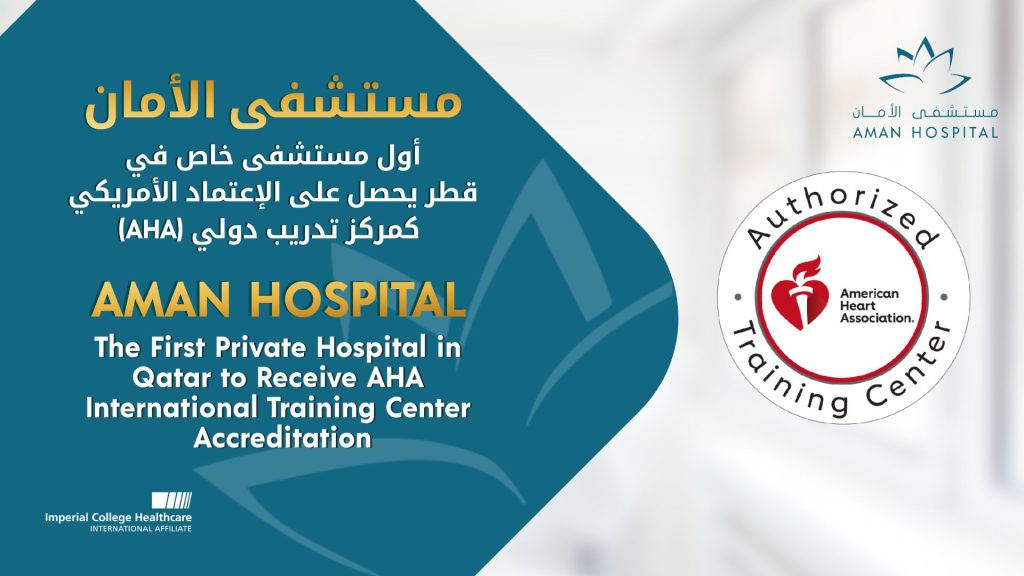
Ms. Wazne received her Bachelor of Science degree in Pharmacy from the Lebanese American University in 2011 . She completed her Masters degree in Clinical Pharmacy from the Lebanese University. Ms. Wazne has worked at the American University of Beirut Medical Center for more than ten years. Ms. Wazne has given a variety of oral presentations to nurses, and pharmacists on local and national level . She has been certified from Harvard Medical School in Immuno-oncology and Cancer Genomics. She is an active member in the Order of Pharmacists of Lebanon. Her professional interests include medication safety and research.
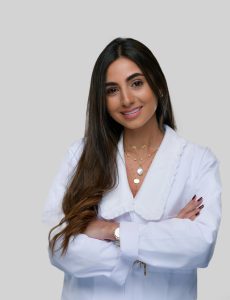
Sirine Abou Al Hassan is a US. registered clinical dietitian with extensive experience in nutritional management of chronic and diet-related diseases. Previously, Sirine worked as clinical dietitian specialized in obesity weight management, Child and Maternal Health and Eating Disorders. She graduated from University College London with a masters of science in Clinical Nutrition and Eating Disorders; Following on from a Bachelors of Science in Nutrition and Dietetics-Coordinated Program from the American University of Beirut, both with distinction