
Aman Hospital is a luxurious healthcare facility established in Doha, Qatar, and owned by Jaidah Holdings.
This new 100+ bed hospital will define the future of healthcare delivery in Qatar and the region by combining unparalleled professional expertise, cutting-edge technology, state-of-the-art equipment, service excellence, a relentless pursuit of medical innovation, and deluxe hospitality, all with a focus on patient-centered care.
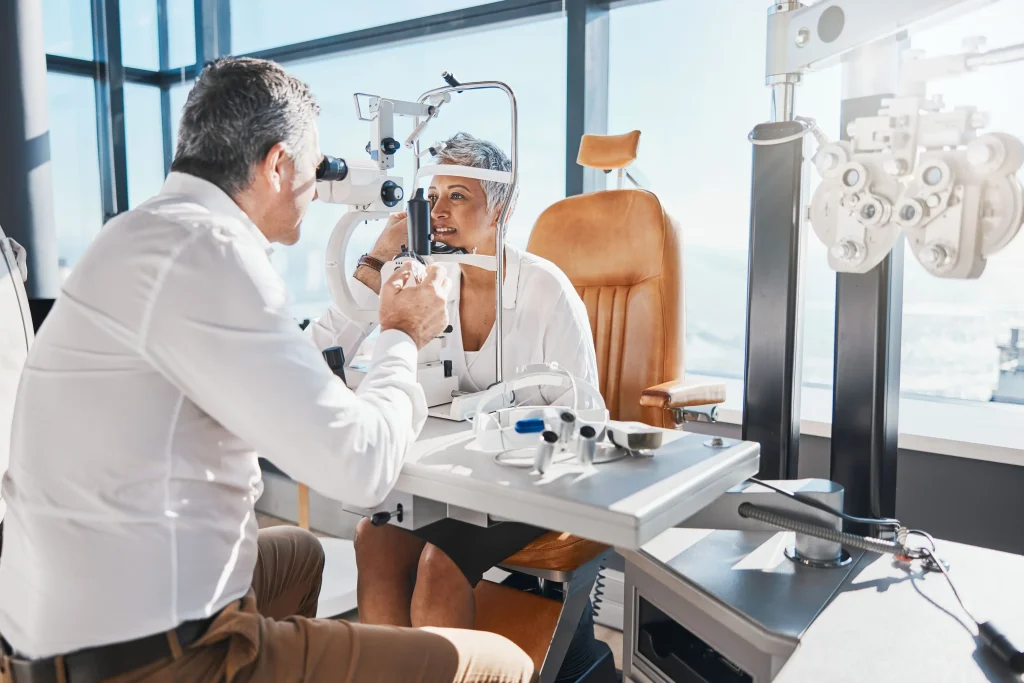
An ophthalmologist is a fully trained medical doctor specializing in eye diseases, surgery, and visual health. They diagnose, manage, and treat conditions such as:
This is not the same as routine vision testing alone. Ophthalmologists provide comprehensive medical and surgical care.
Due to climate, sunlight exposure, screen use, and chronic lifestyle conditions, Qatar frequently sees:
Early detection quietly prevents complications.
Choosing the right eye specialist can feel like choosing the right navigator on a journey across the desert. Experience matters. So does precision. And so does compassion.
Doctors who manage advanced disease often achieve better clinical outcomes.
The best doctors explain treatment in clear language. Patients feel involved and respected.
Modern imaging improves accuracy. That means safer decisions and better results.
When selecting eye care in Qatar, patients can choose between clinics, private practices, and hospital-based ophthalmology services. Hospitals often provide the most comprehensive level of care, offering multi-disciplinary medical support, advanced diagnostic and surgical technology, access to emergency services, and continuity across different specialties when needed.
Specialized eye clinics may be ideal for routine screening appointments or follow-up visits where ongoing monitoring is required. Expats and families should also consider practical comfort factors such as English-speaking clinical teams, insurance acceptance, and a patient-focused communication style to ensure a smooth and supportive care experience.
Hospitals offer:
• multi-disciplinary support
• advanced diagnostic and surgical technology
• emergency care
• continuity of services
They may suit routine follow-ups or screening visits.
Look for:
• English-speaking clinical support
• insurance acceptance
• patient-first communication style
Also Read: Eye Care Guide for Families in Qatar
Factor | Why It Matters | What Patients Should Check |
Doctor’s Credentials | Ensures expert-level care | Board certification, experience |
Technology | Accurate diagnosis & safety | Imaging tools, laser systems |
Hospital Support | Access to wider care services | Surgery, emergencies, specialists |
Patient Care Approach | Comfort & clarity | Clear communication culture |
Access & Convenience | Reduces stress | Parking, appointment availability |
These Core Comparison Differentiators help search engines and patients align with the right decision.
Seek immediate care for:
• sudden vision loss
• eye injury
• severe pain
• flashing lights or floaters
• eye infection
• diabetic vision changes
Early care preserves long-term vision.
Patients in Qatar have access to a wide range of specialized ophthalmology services designed to protect and preserve vision at every stage of life. Pediatric ophthalmology ensures children receive early assessment and treatment to support healthy visual development.
Cataract and refractive surgery help restore clarity and independence for adults experiencing cloudy or blurred vision. For those living with diabetes, diabetic eye disease care plays a vital role in protecting long-term retinal health. Ongoing glaucoma management also helps safeguard the optic nerve through careful monitoring and timely treatment, supporting lifelong eye health and visual stability.
Children benefit from early assessment.
Restoring clarity and independence.
Essential for long-term retinal health.
Quiet, protective care for the optic nerve.
To make your visit smooth and productive, bring your ID, insurance details, a list of current medications, and any previous eye prescriptions or reports. It can also help to prepare a few questions in advance, such as asking about your diagnosis, available treatment options, and how your condition may affect daily life.
During the consultation, your ophthalmologist may perform tests such as vision screening, eye pressure measurement, imaging, and a full eye examination to clearly understand your eye health and recommend the most suitable care.
Tests may include imaging, pressure testing, visual screening, and eye examination.
Eye care fees in Qatar vary depending on the doctor’s expertise, technology used, and whether your visit is medical or surgical. Many leading hospitals provide insurance coverage and direct-billing support, making payment simple for both corporate and private healthcare plans. Patients also find that private healthcare settings often offer shorter waiting times, continuity with the same specialist, and convenient digital medical reports, which can make ongoing eye care easier and more comfortable.
Many hospitals support corporate and private healthcare plans.
Private systems often provide:
Chronic conditions benefit from planned review schedules.
When people speak about the best medical hospital in Doha, one name consistently shines with warmth and clinical excellence: Aman Hospital.
Here, ophthalmology care blends:
And among the hospital’s team, Dr. Nada S. Jabbur stands out as a highly regarded Ophthalmology Consultant providing compassionate, precision-guided care.
Not always. Many patients book directly.
Adults every 1–2 years. More frequently if diabetic or at higher risk.
No. Many conditions are medically managed.
Early detection supports normal development.
Book your consultation with Dr. Maisa Salman at Aman Hospital today.
The first private Hospital in Qatar to achieve JCI accreditation
Follow Aman
Contact
Quick Links
Centers of Excellence
© 2025, Aman Hospital. All Rights Reserved.
Designed & Developed by GTonics
Ms. Wazne received her Bachelor of Science degree in Pharmacy from the Lebanese American University in 2011 . She completed her Masters degree in Clinical Pharmacy from the Lebanese University. Ms. Wazne has worked at the American University of Beirut Medical Center for more than ten years. Ms. Wazne has given a variety of oral presentations to nurses, and pharmacists on local and national level . She has been certified from Harvard Medical School in Immuno-oncology and Cancer Genomics. She is an active member in the Order of Pharmacists of Lebanon. Her professional interests include medication safety and research.

Sirine Abou Al Hassan is a US. registered clinical dietitian with extensive experience in nutritional management of chronic and diet-related diseases. Previously, Sirine worked as clinical dietitian specialized in obesity weight management, Child and Maternal Health and Eating Disorders. She graduated from University College London with a masters of science in Clinical Nutrition and Eating Disorders; Following on from a Bachelors of Science in Nutrition and Dietetics-Coordinated Program from the American University of Beirut, both with distinction