


Aman Hospital is a luxurious healthcare facility established in Doha, Qatar, and owned by Jaidah Holdings.
This new 100+ bed hospital will define the future of healthcare delivery in Qatar and the region by combining unparalleled professional expertise, cutting-edge technology, state-of-the-art equipment, service excellence, a relentless pursuit of medical innovation, and deluxe hospitality, all with a focus on patient-centered care.
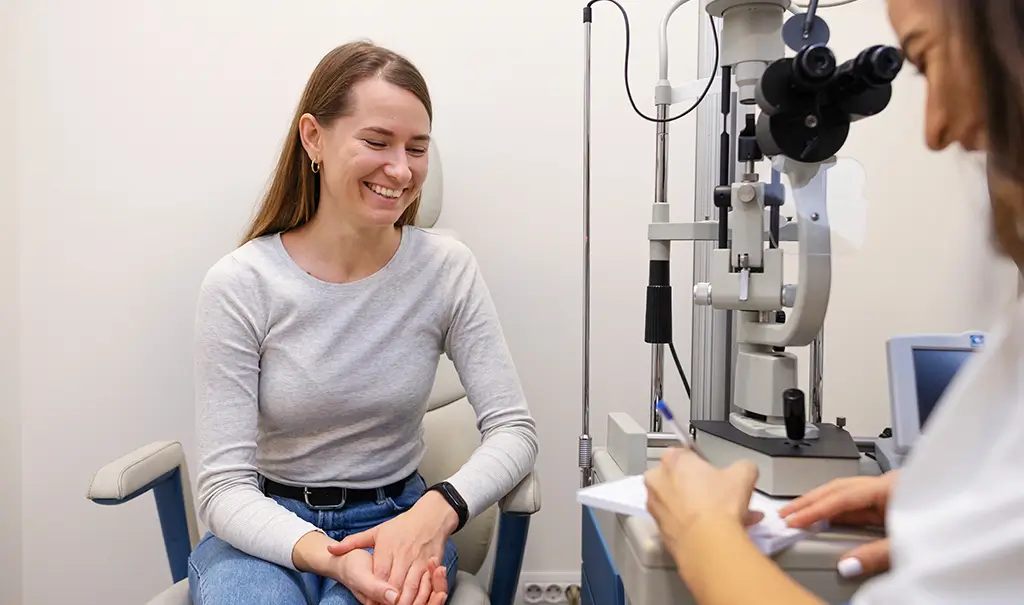
A lot of patients worry about the cost of seeing an eye specialist, especially if tests or treatment may be needed. Understanding how fees work in Qatar can make the process feel far less stressful. With the right guidance, eye care can stay both medically safe and financially manageable.
The price of eye care depends on a few simple factors: the condition being treated, the type of appointment, and whether investigations or treatment are needed. Routine eye checks are generally more affordable than complex treatment, but early diagnosis often prevents bigger problems later. Many patients are surprised to learn that timely review can actually save money over time.
When something feels wrong with your eyes, it’s not just your vision at risk. It affects work, confidence, and daily comfort. Seeing a specialist early doesn’t just protect eyesight. It protects peace of mind.
Both opticians and ophthalmologists help with vision, but they play very different parts in eye care. An ophthalmologist is a fully trained medical doctor who diagnoses and treats eye diseases, performs surgery, and manages complex or long-term conditions. An optician, on the other hand, helps fit and dispense glasses or contact lenses based on a prescription.
If you simply need a vision correction update, an optician may be the right place to start. But when symptoms include pain, redness, sudden vision changes, flashes, floaters, diabetes-related eye concerns, or persistent dryness, a medical eye specialist is essential. This ensures the underlying cause is properly assessed and treated.
Seeing the right professional at the right time prevents repeat visits, delays in diagnosis, and unnecessary anxiety. Most importantly, it protects your eye health and gives you confidence that your care plan is medically sound.
Money matters. Your health matters more.
Quality eye care should feel respectful, transparent, and clinically sound. Patients deserve:
Affordability should never mean compromising your eyesight.
In a hospital setting, consultations, imaging, pharmacy, and surgery are coordinated together. This avoids repeating tests in different clinics and helps the treatment plan stay consistent.
Continuity matters. When the same medical team follows your journey, monitoring becomes safer and more efficient, especially for long-term eye conditions.
At Aman Hospital, eye care is more than a clinical service. It is a carefully guided journey where patients feel heard, reassured, and supported from the first appointment onward. Modern diagnostic technology, specialist-led clinics, and structured follow-up pathways help ensure that every step of care is coordinated, accurate, and thoughtfully managed.
Our ophthalmology team includes highly trained consultants with international expertise in both medical and surgical eye care. This means patients receive evidence-based treatment supported by advanced technology and a collaborative medical environment.
Patients appreciate knowing what to expect, why a test is needed, and what a treatment plan involves. The medical team takes time to explain findings and answer questions so decisions feel informed and comfortable.
From insurance coordination to appointment scheduling, the hospital teams work together so your experience remains smooth, respectful, and well-organized. The goal is always the same: safe care, compassionate support, and peace of mind.
Dr. Nada S. Jabbur is an internationally trained ophthalmology consultant who provides comprehensive medical and surgical eye care for adults and children. Fluent in Arabic, English, and French, she brings decades of experience caring for patients with simple to complex eye conditions, always with a calm, reassuring clinical approach.
Dr. Jabbur’s scope of practice includes:
Her work ranges from routine eye care to highly specialized corneal and refractive surgery.
Get More Info Here: Best Ophthalmology Doctor in Qatar
Before your appointment, it helps to confirm your insurance details. This keeps planning calm and stress-free.
What to Check | Why It Helps |
Coverage for specialist visits | Avoids unexpected expense |
Coverage for diagnostic tests | Keeps budgeting realistic |
Pre-approval requirements | Prevents claim rejection |
Co-payment details | Helps you plan ahead |
A short conversation with your insurer can bring a lot of clarity.
Many eye issues are safely managed without surgery when detected early. Consistent follow-ups keep treatment simple and predictable.
Condition | Typical Ongoing Care |
Dry eye | Medication & lifestyle advice |
Allergic eye disease | Medical therapy |
Stable glaucoma | Regular pressure monitoring |
Refractive error | Vision correction |
Diabetic eye risk | Scheduled screenings |
The earlier a condition is treated, the gentler the journey usually becomes.
When it comes to children, parents want answers quickly. Early screening for visual development helps detect problems before they affect learning or confidence. A family-friendly clinic setting means the process feels calmer, clearer, and easier to manage.
Many expatriates choose treatment in Qatar because of the availability of specialist consultants and modern hospital facilities. Transparent pricing and multilingual support help patients feel informed and reassured throughout their care journey.
At Aman Hospital, the focus is simple: treat every patient the way we would want our own family to be treated. That means:
The goal is to protect both your sight and your sense of security.
Healthy habits make a real difference: attending routine screenings, managing diabetes and blood pressure, protecting your eyes from UV light, and seeking care early when symptoms appear. Prevention is almost always kinder, safer, and more affordable.
Question | Why It Matters |
What will my consultation include? | Builds trust |
Will I need tests? | Helps prepare emotionally & financially |
What treatment options exist? | Supports informed decisions |
How often will I need follow-ups? | Clarifies long-term planning |
Does my insurance apply here? | Reduces uncertainty |
Feeling informed makes the journey much easier.
Your eyesight connects you to the people and world you love. You deserve care that is skilled, safe, compassionate, and financially sensible. With the right specialist team, quality ophthalmology care in Qatar can remain both accessible and reassuring.
Book your consultation with Dr. Maisa Salman at Aman Hospital today.
The first private Hospital in Qatar to achieve JCI accreditation
Follow Aman
Contact
Quick Links
Centers of Excellence
© 2025, Aman Hospital. All Rights Reserved.
Designed & Developed by GTonics
Ms. Wazne received her Bachelor of Science degree in Pharmacy from the Lebanese American University in 2011 . She completed her Masters degree in Clinical Pharmacy from the Lebanese University. Ms. Wazne has worked at the American University of Beirut Medical Center for more than ten years. Ms. Wazne has given a variety of oral presentations to nurses, and pharmacists on local and national level . She has been certified from Harvard Medical School in Immuno-oncology and Cancer Genomics. She is an active member in the Order of Pharmacists of Lebanon. Her professional interests include medication safety and research.

Sirine Abou Al Hassan is a US. registered clinical dietitian with extensive experience in nutritional management of chronic and diet-related diseases. Previously, Sirine worked as clinical dietitian specialized in obesity weight management, Child and Maternal Health and Eating Disorders. She graduated from University College London with a masters of science in Clinical Nutrition and Eating Disorders; Following on from a Bachelors of Science in Nutrition and Dietetics-Coordinated Program from the American University of Beirut, both with distinction