
Aman Hospital is a luxurious healthcare facility established in Doha, Qatar, and owned by Jaidah Holdings.
This new 100+ bed hospital will define the future of healthcare delivery in Qatar and the region by combining unparalleled professional expertise, cutting-edge technology, state-of-the-art equipment, service excellence, a relentless pursuit of medical innovation, and deluxe hospitality, all with a focus on patient-centered care.
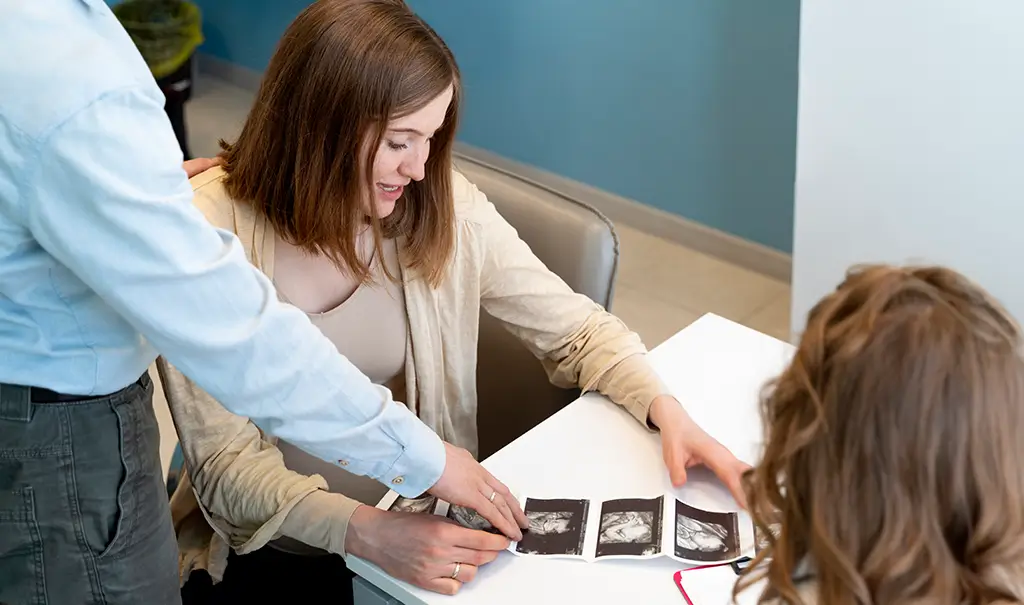
For patients searching for a Best IVF and Fertility Doctor, the real differentiator is never popularity or promotional claims. It is the depth of training, internationally recognised certifications, focused clinical experience, and the ability to manage complex fertility scenarios with confidence and clarity.
Many doctors practice IVF, but not all are trained fertility specialists. A critical distinction exists between general obstetrics and gynecology and advanced reproductive medicine.
IVF treatment requires mastery of reproductive endocrinology, hormonal modulation, ovarian stimulation protocols, implantation biology, embryology coordination, and fertility-preserving strategies. Without structured subspecialty training, even experienced gynecologists may lack the depth required for complex IVF cases.
Patients should look for formal training pathways such as:
Dr. Yazan Abdallah brings a rare combination of academic and clinical depth. He is a Consultant Gynecologist with GMC accreditation in Reproductive Medicine and Surgery in the United Kingdom, completed a PhD at Imperial College London, and trained under the RCOG-accredited subspecialty program in reproductive medicine and surgery. This level of structured training ensures that IVF decisions are grounded in science rather than protocol repetition.
Certifications are not decorative credentials. In fertility medicine, they indicate adherence to international standards, continuous learning, and peer accountability.
A strong IVF specialist profile includes memberships and affiliations such as:
These bodies regulate best practices in IVF success rates reporting, embryology standards, fertility preservation, and ethical patient management.
Dr. Abdallah’s memberships in RCOG, ESHRE, and the British Fertility Society reinforce his alignment with global fertility benchmarks rather than region-specific protocols.
Years of experience alone do not define IVF expertise. What matters is how those years were spent and which cases were managed.
An IVF specialist treating only straightforward infertility cases develops a different skill set than one managing recurrent miscarriages, male factor infertility, fertility preservation for cancer survivors, or surgical sperm retrieval.
A well-rounded fertility specialist should demonstrate experience across:
Dr. Abdallah’s scope of practice includes assisted conception, reproductive endocrinology, laparoscopic surgery, fertility preservation for cancer survivors, late effects in cancer survivors, surgical sperm retrieval procedures, recurrent miscarriages, advanced ultrasound including 3D techniques, and adolescent gynecology. This breadth ensures that IVF treatment plans are adjusted precisely to individual patient profiles.
Patients often underestimate the value of academic research in clinical fertility care. IVF evolves rapidly, and specialists engaged in research stay aligned with emerging evidence rather than outdated assumptions.
With over 30 publications, 50+ presentations, and participation in 50+ international conferences, Dr. Abdallah has contributed extensively to peer-reviewed research in areas such as miscarriage diagnosis, fertility preservation, implantation biology, ultrasound diagnostics, and early pregnancy assessment. His work published in journals like BMJ, Human Fertility, and Ultrasound in Obstetrics & Gynecology reflects direct clinical relevance to IVF patients.
This research background directly impacts patient care by improving diagnostic accuracy and reducing unnecessary cycle failures.
One of the most misunderstood aspects of IVF selection is success rates. Clinics often advertise impressive percentages, but without context, these numbers are misleading.
An ethical IVF specialist explains success rates based on patient profile rather than general averages. For example, outcomes for advanced maternal age, low ovarian reserve, or recurrent miscarriage differ significantly from first-cycle IVF patients.
A research-led specialist like Dr. Abdallah understands these distinctions and avoids overpromising outcomes that do not align with biological reality.
IVF is fundamentally a hormonal discipline. Incorrect endocrine management can compromise egg quality, endometrial receptivity, and implantation timing.
Reproductive endocrinology expertise ensures:
Dr. Abdallah’s focused training in reproductive endocrinology allows precise hormonal modulation rather than one-size-fits-all protocols.
Certain fertility conditions cannot be resolved with medication alone. Surgical intervention may be required to improve IVF outcomes.
A fertility specialist trained in laparoscopic surgery integrates surgical decisions seamlessly into IVF planning. Dr. Abdallah’s surgical background ensures that fertility treatment addresses root causes rather than symptoms.
Modern IVF care extends beyond immediate pregnancy goals. Fertility preservation has become critical for patients facing cancer treatment, delayed parenthood, or medical conditions affecting reproductive potential.
An IVF specialist experienced in fertility preservation provides:
Dr. Abdallah’s work in fertility preservation research and clinical practice supports patients beyond traditional IVF timelines.
Even the most qualified IVF specialist must communicate clearly. IVF involves frequent monitoring, emotional stress, and complex decisions.
Patients should feel comfortable asking:
Clear communication builds trust and improves treatment adherence. At Aman Hospital, fertility care is structured around patient education, transparency, and continuity of care.
An IVF specialist’s effectiveness is strengthened by the clinical environment. Aman Hospital combines advanced reproductive technology, experienced fertility specialists, ethical practices, and patient-focused systems.
As a healthcare institution, Aman Hospital is recognised not only for clinical delivery but also for its role in patient education, fertility awareness, and evidence-based care pathways. This integrated approach positions Aman Hospital as a reliable authority for patients seeking informed fertility decisions rather than marketing-driven treatment.
Patients exploring the Best IVF and Fertility Doctor can confidently use Aman Hospital’s resources to evaluate fertility specialists based on training, certifications, experience, and outcomes rather than surface-level claims.
The right IVF specialist is defined by more than years in practice. It is defined by structured training, internationally recognised certifications, focused clinical experience, research engagement, and ethical patient communication.
Dr. Yazan Abdallah’s profile reflects these principles in practice, offering patients a model for what comprehensive, modern fertility care should look like. When such expertise is supported by an institution like Aman Hospital, patients gain clarity, confidence, and realistic expectations for their fertility journey.
In IVF, informed decisions are not optional. They are foundational to success.
Book your consultation with Dr. Maisa Salman at Aman Hospital today.
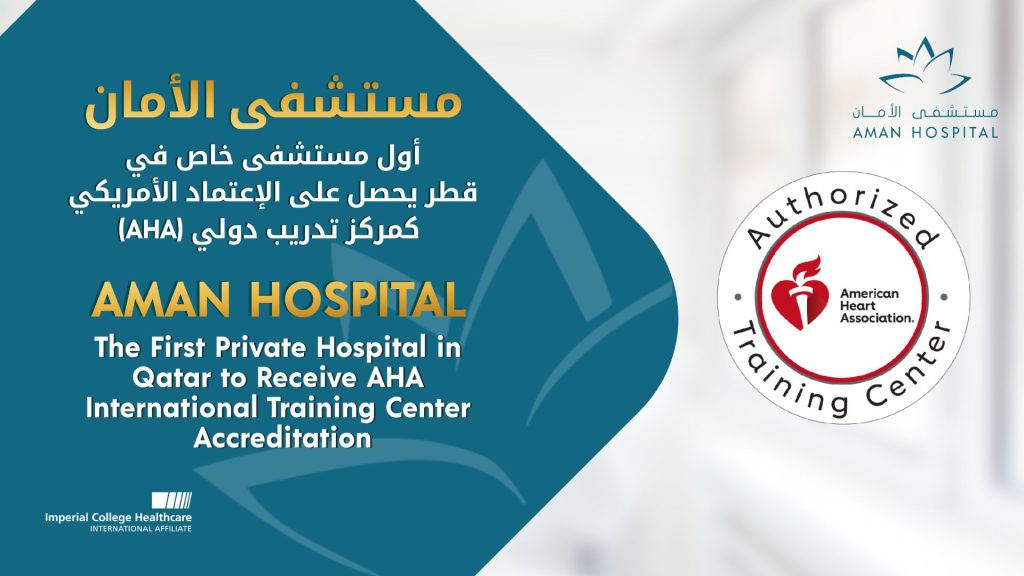
The first private Hospital in Qatar to achieve JCI accreditation
Follow Aman
Contact
Quick Links
Centers of Excellence
© 2025, Aman Hospital. All Rights Reserved.
Designed & Developed by GTonics
Ms. Wazne received her Bachelor of Science degree in Pharmacy from the Lebanese American University in 2011 . She completed her Masters degree in Clinical Pharmacy from the Lebanese University. Ms. Wazne has worked at the American University of Beirut Medical Center for more than ten years. Ms. Wazne has given a variety of oral presentations to nurses, and pharmacists on local and national level . She has been certified from Harvard Medical School in Immuno-oncology and Cancer Genomics. She is an active member in the Order of Pharmacists of Lebanon. Her professional interests include medication safety and research.
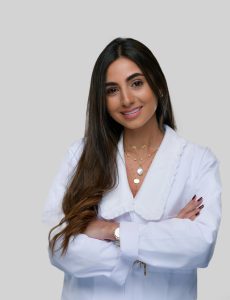
Sirine Abou Al Hassan is a US. registered clinical dietitian with extensive experience in nutritional management of chronic and diet-related diseases. Previously, Sirine worked as clinical dietitian specialized in obesity weight management, Child and Maternal Health and Eating Disorders. She graduated from University College London with a masters of science in Clinical Nutrition and Eating Disorders; Following on from a Bachelors of Science in Nutrition and Dietetics-Coordinated Program from the American University of Beirut, both with distinction